Šoltanska 2 21000 Split Croatia
University Of Split School Of Medicine
About the University of Split School of Medicine
The University of Split School of Medicine is a respected medical institution located in Split, one of the largest and most historic cities in Croatia. The school operates as a faculty of the University of Split and provides high-quality medical education, research opportunities, and practical clinical training for students from around the world.
The University of Split School of Medicine was established in 1997 to expand medical education and healthcare research in Croatia. Since its establishment, the faculty has developed modern teaching facilities and strong partnerships with hospitals and research institutions. It has quickly grown into an important center for medical education in the region.
Students at the University of Split School of Medicine gain hands-on experience in medical practice through training at the University Hospital of Split. Clinical education usually begins during the later years of study and allows students to work with patients under the supervision of experienced healthcare professionals.
The school actively participates in medical and biomedical research. Faculty members and students collaborate with international universities and research centers. The institution is also involved in European academic programs such as Erasmus+, which promotes student exchange and research collaboration.
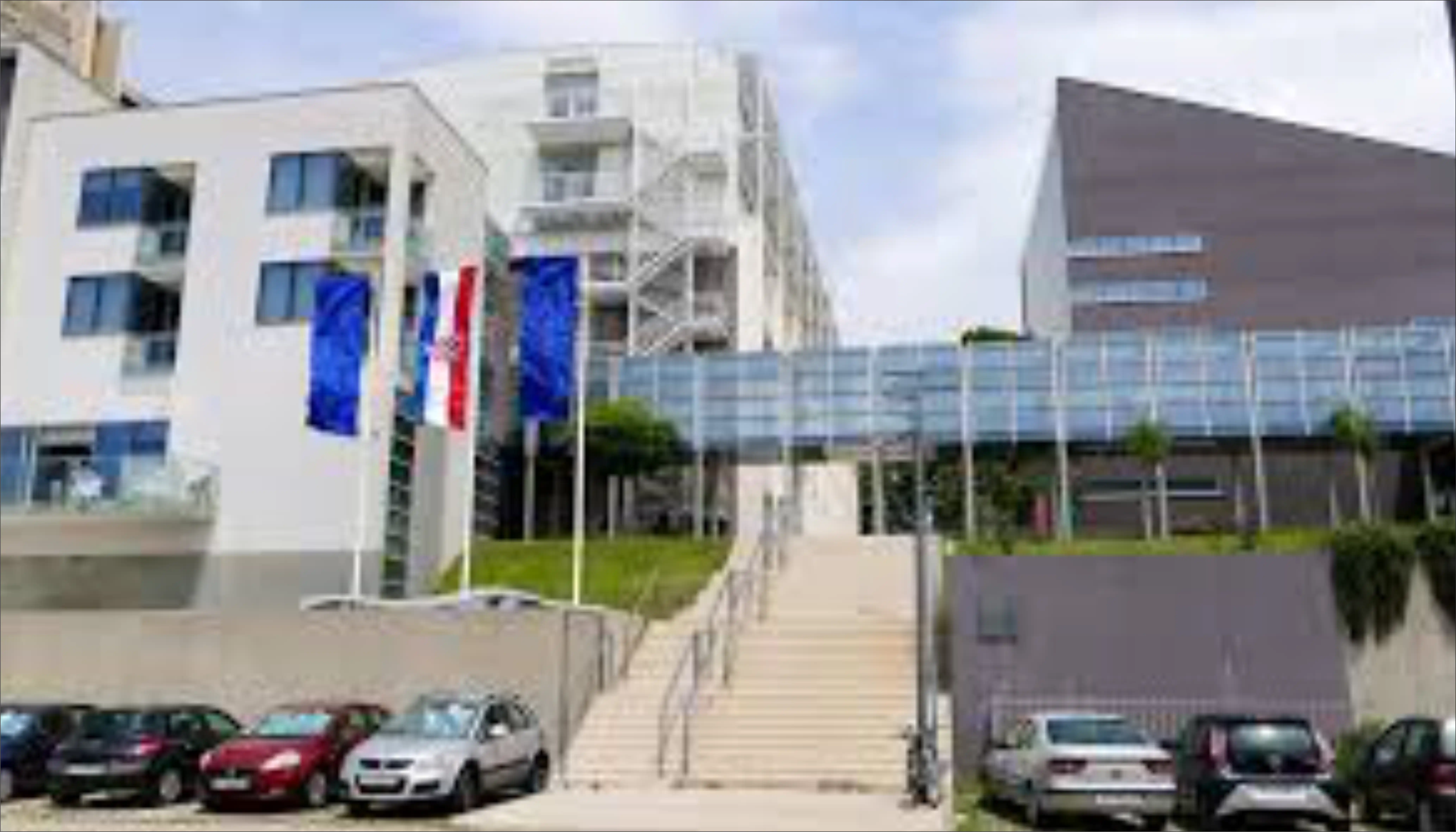
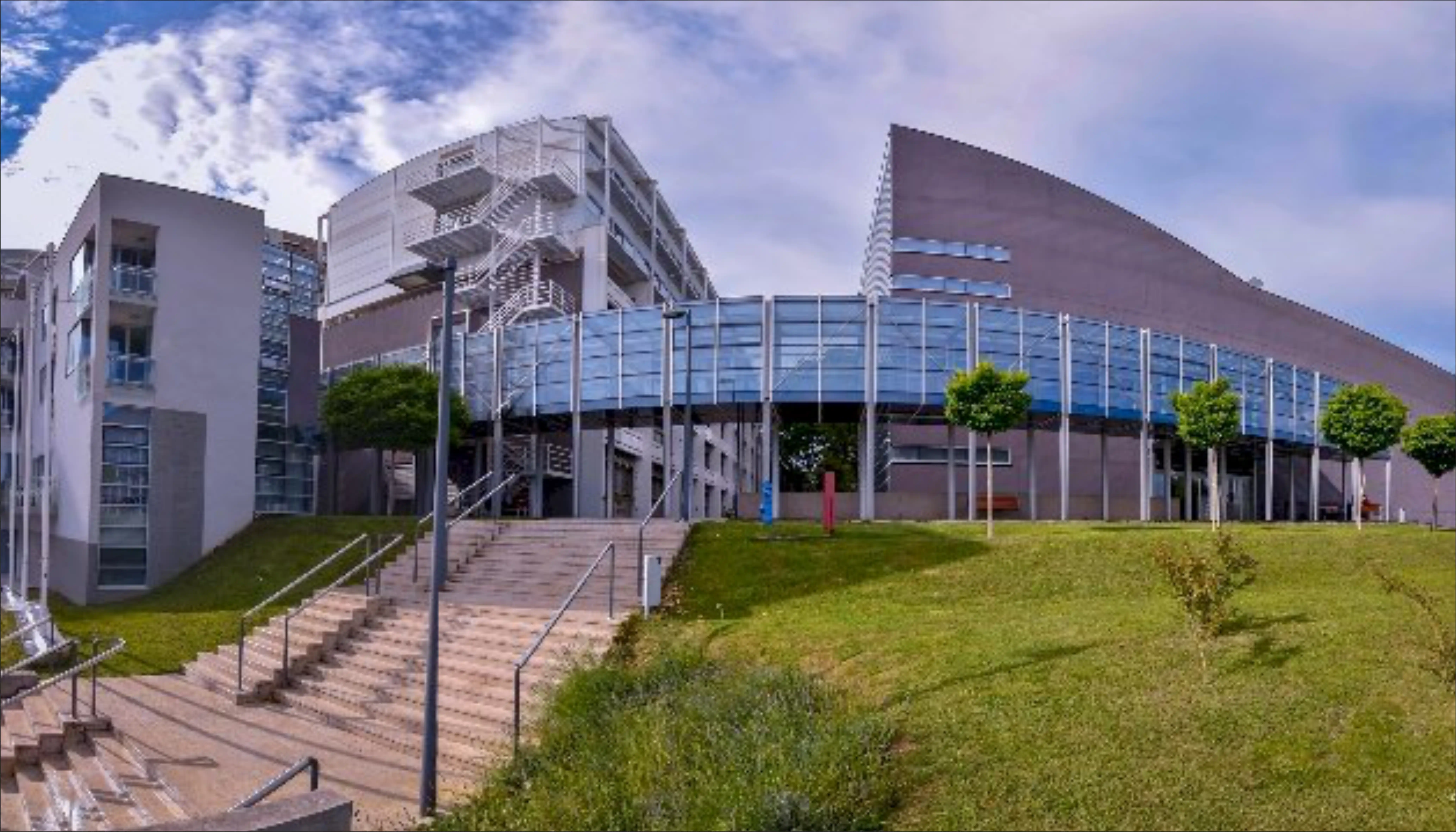
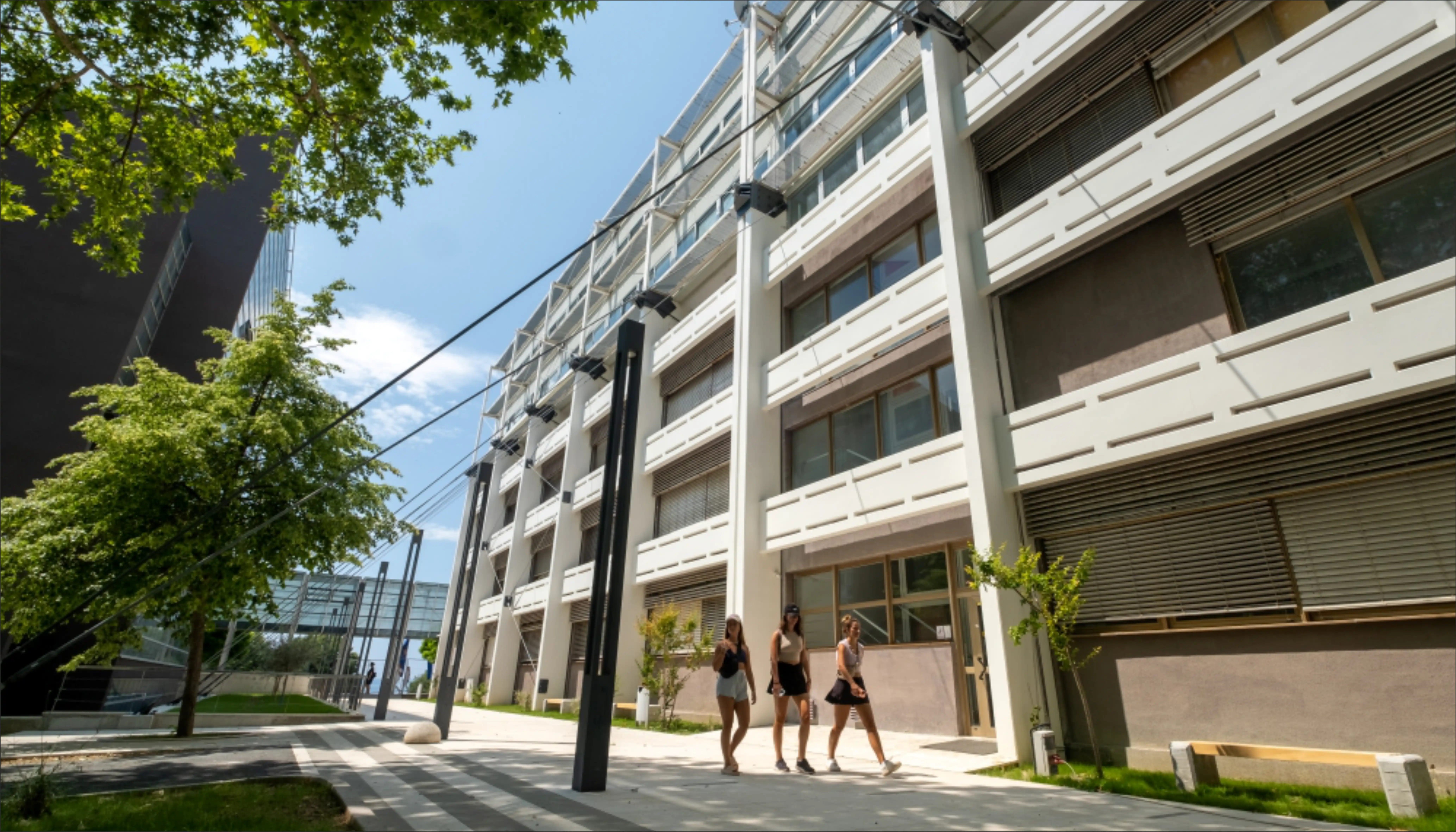
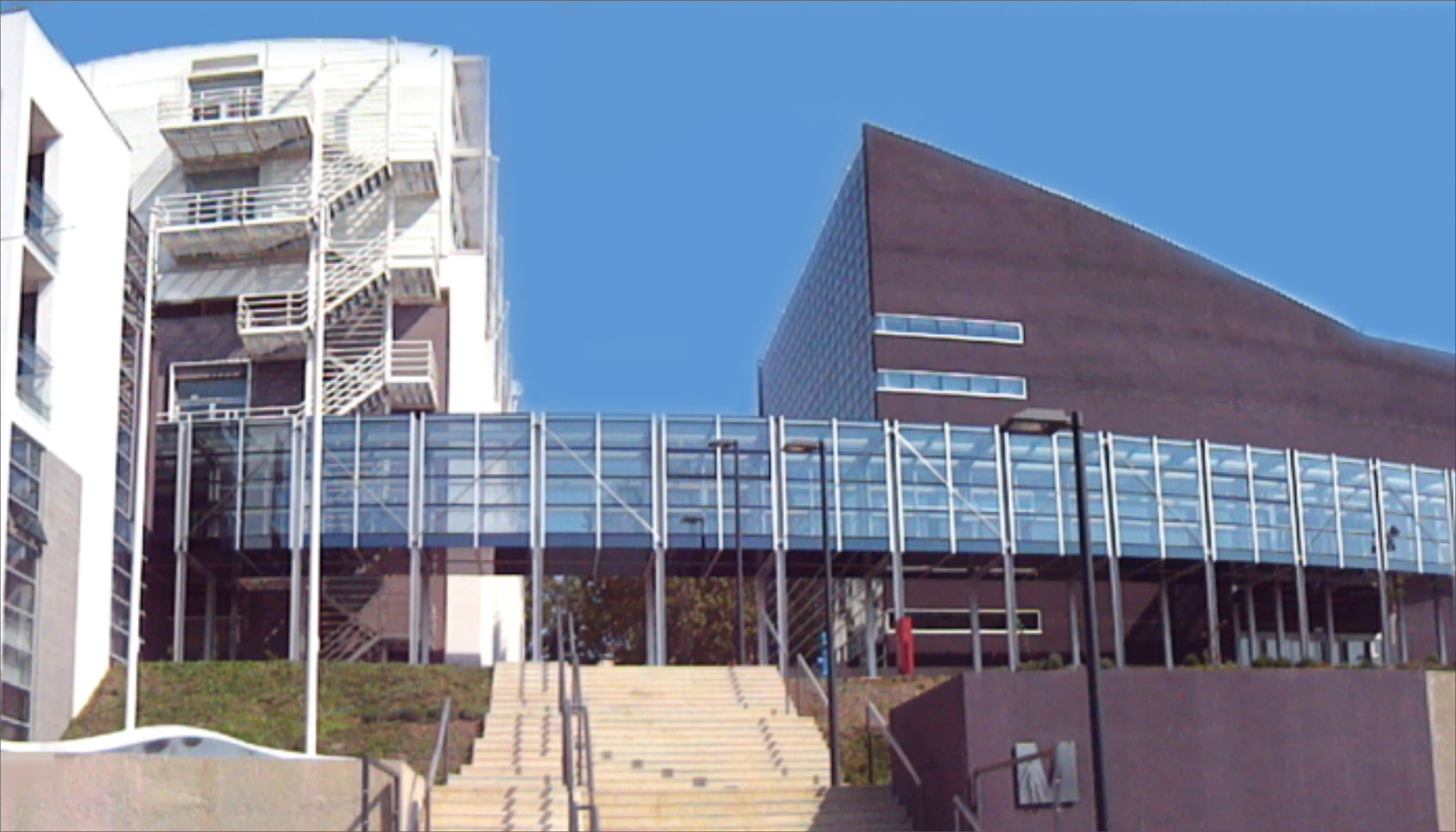
The campus includes modern lecture halls, laboratories, simulation centers, and research units designed to support both education and scientific research. The university focuses on combining theoretical knowledge with practical medical training.
Studying in Split provides a unique experience for students. The city is located on the Adriatic coast and is known for its rich culture, historic landmarks, and vibrant student community. Students enjoy a safe environment, beautiful surroundings, and access to various cultural and recreational activities.
The university focuses on a balanced approach to medical education that combines theoretical knowledge, research experience, and clinical practice. Students learn fundamental medical sciences during the early years of study and gradually move toward clinical training and patient care in later years. This structured curriculum helps students develop both academic understanding and practical medical skills.
The campus provides a wide range of modern facilities to support education and research, including:
Advanced laboratories and research centers
Clinical simulation training units
Medical libraries with digital resources
Lecture halls equipped with modern teaching technology
These facilities help create a supportive environment for both academic learning and professional training.
12th with PCB, English proficiency, entrance evaluation/interview
Bachelor’s or Master’s in life sciences